

Antoinette has recently retired as a career diplomat with the Australian Department of Foreign Affairs and Trade having joined in 1991. She has held postings in Bangkok as Third Secretary, Brussels as Counsellor and Istanbul as Consul-General ad interim. She has also had missions in Rome, and as Charge d’affaires in Nicosia and Berlin. She holds an Honours Degree in Arts from Sydney University, a Graduate Diploma in Foreign Affairs and Trade, from the Australian National University and a Master of Teaching English as a Second Language, Charles Sturt University. She is also a published author and musician.
Where are you from in Australia?
I’m from Canberra where I spent a lot of my childhood and career between my dad’s, my husband’s and my postings.
What were your first impressions of NYC and how has that changed since you have lived here?
I lived in New York as a child from 1970 to 1972, when my dad was posted as First Secretary at the Australian Mission to the UN in New York, so the changes have been enormous since then. It’s been fascinating doing the different historical tours around New York and visiting the museums in NY to learn what has changed over the years.
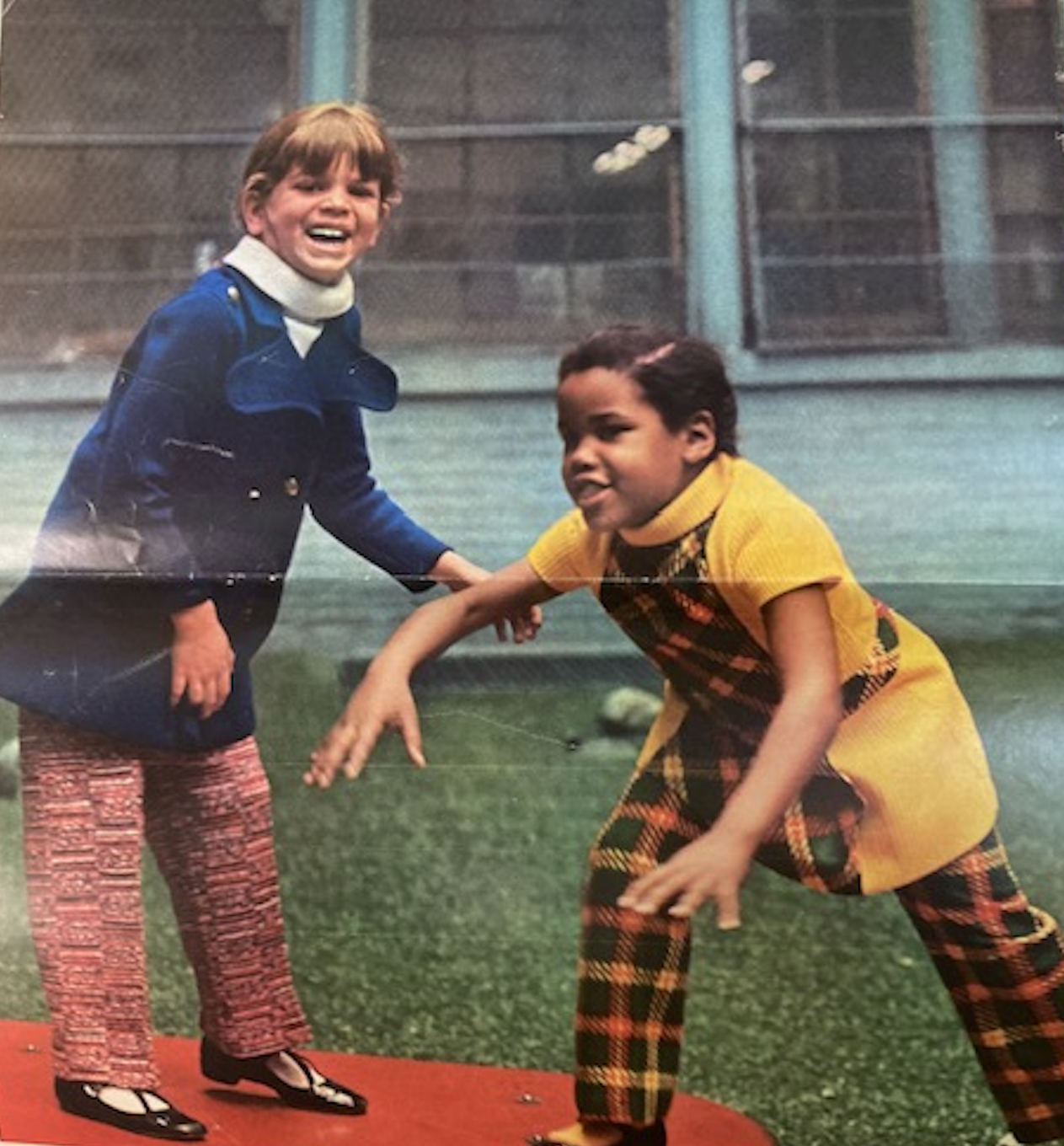
What is the biggest difference between home and NYC that comes up in discussion?
I think you can imagine the immediate differences between Canberra and NYC that come up in discussions with other Canberrans. One thing that really surprised me is how different we are culturally, despite our exposure to a lot of US TV shows and movies. I’m pleased to say that it’s quite easy to get Vegemite here!
Can you share some highlights from your extensive diplomatic career, including memorable experiences or challenges you faced in your various postings?
I think the most memorable experience in my career has to be participating in the centenary of ANZAC Day at Gallipoli during our posting in Turkey in 2015. There must have been about 10,000 Australians and New Zealanders participating in the dawn service on ANZAC Cove and you could have heard a pin drop as the sun rose. Meeting the widows of our ANZAC soldiers from the First World War was very moving, as was watching the First Nations ceremony at the ANZAC Cove memorial. The amount of effort that went into the preparation and organisation of the centenary on the Australian, New Zealand and Turkish side was so impressive.
I would say balancing family responsibilities with a diplomatic career has probably been the biggest challenge in my career. I remember the difficulties we had coping with 3 children under the age of 6 during our posting in Brussels while holding down full-time jobs at a large and busy Australian mission. I often look back and wonder how we did it. We got through that period but it was very stressful and I realised that for me personally the only way I could find the right balance would be to work part-time, which I did for the next 12 years.
As someone who has served in diverse roles within the Department of Foreign Affairs and Trade, what insights can you offer on the evolution of Australian diplomacy over the years?
I think the greatest change I’ve seen during my career has been around diversity, not only in terms of our diplomatic representation but also with regard to our work practices. You will no doubt have seen the media around the appointment of the inaugural Ambassador for First Nations People, Mr Justin Mohamed, in 2023 and that the number of women ambassadors has doubled in the last few years. We also now have the opportunity to do some Canberra-based jobs overseas, which has made a huge difference for diplomatic spouses accompanying their spouses overseas.

Your background includes experiences as a Director of Curriculum Design and Outreach at the Diplomatic Academy. How do you believe diplomatic training and education contribute to shaping effective diplomats?
I think that there are many factors to shaping effective diplomats. Good training is really important but only part of it. Learning on the job both in Australia and overseas and from experienced practitioners and managers can make a huge difference to how effective you are as a diplomat. Doing secondments and working in a wide range of positions (corporate and policy at different levels) also help to build skills and knowledge. I was lucky to have some very inspiring bosses over the years who gave me a great range of opportunities to learn on the job but were always there to assist with advice and instruction.
As an accomplished author and musician, how do you find that creativity intersects with your diplomatic endeavours and how has it enriched your perspective on global affairs?
At the end of the day, diplomacy is all about people and how we connect as people. Creativity builds strong bridges between communities and highlights commonalities. Some of the most rewarding moments in my diplomatic career have been around music and art. I will never forget attending the world premiere of the Gallipoli Symphony at the Hagia Irene, a Byzantine church in Istanbul, which featured Australian, Turkish, New Zealander, and British composers and musicians in 2015. I also really enjoyed being part of the organization of a fashion competition for Italian design students in 2017 with Australian wool.
Looking back on your career, what advice would you offer to aspiring diplomats, particularly women, who are navigating the complexities of diplomacy and foreign affairs?
I would take the phrase from the famous movie, Dead Poets Society – “carpe diem” or seize the day. To me, diplomacy has always been about making the most out of every opportunity and learning from it – whether that’s attending multilateral meetings, organising ministerial visits, developing training courses, writing foreign policy or providing consular advice to Australians abroad. I have had an amazing and fulfilling career – some of it planned and some of it out of the blue – and each experience has given me new skills, new insights and new contacts. If you had told me in 1991 as a junior diplomat that I would be Australia’s Consul-General (ad interim) in Istanbul in 2022 and part of the team that won an industry award for an online diplomatic training course in 2021, I’m not sure I would have believed you.
With your recent retirement from service, what inspired your decision to transition away from diplomacy, and what new pursuits or projects are you looking forward to exploring?
After 33 years in DFAT in a variety of fulfilling positions and fascinating postings, I decided that it was time to pursue my own interests and to make the most of being an empty nester. I seem to be busier than when I was working full-time back in Canberra! I’ve been very lucky to tap into the activities of the wonderful diplomatic community in New York and recently became a member of the Women’s International Forum Board, which organizes inspiring presentations on range of UN-related topics. I’ve also become a member of the UN Chamber Music Society, which performs regularly and collaborates with acclaimed composers and musicians. I’m looking at further study and pursuing some teaching opportunities.
What do you like most about being part of AWNY?
It’s always lovely to be able to engage with Australian communities overseas so I’m really pleased to have found AWNY. I’m always really interested to hear how Australians have found their way to NY, whether through work, family or holidays. We really are a very peripatetic lot!

 AWNY | Australian Women in New York